6 Measures to Prevent Forced Labor Within Your Supply Chain
2024-06-02 | Blog
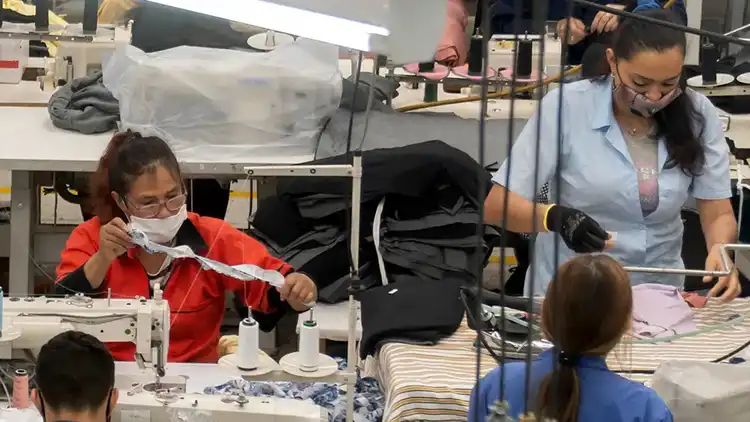
Forced labor is a grave violation of human rights that frequently occurs within supply chains, disproportionately affecting millions of workers who are poor, vulnerable, and low-skilled. Driven by fierce competition and the global demand for cheap labor, this exploitation is often hidden within complex and highly dispersed supply chains, spanning producers, manufacturers, distributors, and retailers.
The International Labour Organization (ILO) estimates that approximately 28 million people are victims of forced labor worldwide, with 63% of these individuals exploited in the private sector. More than $236 million in illegal profits are generated annually within the US from forced labor.
What is forced labor?
Forced labor, also known as labor trafficking, is the severe exploitation of people for personal or commercial gain. Targets can be adults and children, who are often physically or psychologically coerced, threatened, or deceived into working against their will.
- Coercion and Threats: Workers are forced to work through threats of violence, harm, or other forms of coercion. This can include threats against the worker or their family members.
- Deception: Workers are often deceived about the nature of the work, conditions, or pay. They may be promised legitimate work, only to find themselves trapped in exploitative situations.
- Debt Bondage: Workers are forced to work to repay a debt. This debt is often inflated or fabricated, making it impossible for the worker to repay, trapping them in a cycle of forced labor.
- Restriction of Movement: Workers may have their movements restricted, often through physical confinement or confiscation of their identity documents (such as passports or ID cards).
- Withholding of Wages: Employers may withhold wages or refuse to pay workers, making it difficult for them to leave the exploitative situation.
- Physical and Psychological Abuse: Workers may suffer from physical violence, sexual abuse, or psychological intimidation to maintain control over them.
Forced labor can infiltrate any stage of a supply chain—from raw materials to manufactured goods to shipping and delivery. Suppliers, incentivized to keep labor costs low, may exploit workers to maximize profits. Complex global supply chains make it challenging to detect where such exploitation occurs, leading both consumers and organizations to inadvertently support forced labor by purchasing goods made under these conditions.
Risks to business owners who facilitate forced labor
Despite international conventions and national laws prohibiting forced labor, it remains a significant issue. In the US, forced labor is most prevalent in five sectors: prostitution and sex services (46%), domestic service (27%), agriculture (10%), factories (5%), and restaurant and hotel work (4%).
“Forced labor is a violation of basic human rights,” says Alejandro N. Mayorkas, Secretary of Homeland Security. “US Customs and Border Protection is committed to identifying products made by forced labor and preventing them from entering the United States, thereby denying access to the U.S. economy for those that engage in the egregious human rights abuses associated with the use of forced labor.”
A business owner who assists in facilitating forced labor trafficking faces many severe legal, financial, and reputational consequences.
Legal Consequences:
- Criminal Charges: The owner could be charged with serious criminal offenses, including human trafficking, forced labor, and conspiracy. These charges can result in lengthy prison sentences and substantial fines.
- Civil Penalties: Victims of forced labor trafficking can file lawsuits against the business owner, leading to significant civil penalties and compensatory damages.
- Asset Seizure: Authorities may seize assets and property involved in the trafficking operation.
- Licensing Issues: The business may lose licenses and permits necessary to operate, effectively shutting down the business.
Financial Consequences:
- Fines and Restitution: Convictions can result in hefty fines, and courts may order restitution for the victims.
- Legal Costs: Defending against criminal and civil charges can lead to substantial legal fees.
- Loss of Business: The business may suffer financially due to loss of customers, contracts, and partnerships as a result of the negative publicity and legal issues.
Reputational Consequences:
- Public Relations Damage: Being associated with forced labor trafficking can severely damage the business’s reputation, leading to loss of trust among customers, partners, and the community.
- Boycotts and Protests: A business may face boycotts and protests from advocacy groups, customers, and the public.
- Negative Media Coverage: Extensive negative media coverage can amplify reputational damage and deter potential customers and investors.
Operational Consequences:
- Operational Disruptions: Legal actions and investigations can disrupt business operations and lead to closure or bankruptcy.
- Employee Morale: The involvement in such activities can negatively affect employee morale and lead to high turnover rates.
How to prevent forced labor in your supply chain
Business owners must trace all elements of their production processes and supply chains to meet challenges and respond to opportunities. To proactively combat forced labor, organizations should take six steps:
- Implement Policies Prohibiting Forced Labor:
- Develop and communicate policies explicitly prohibiting forced labor.
- Integrate these policies into contracts with suppliers and business partners.
- Train Employees and Managers:
- Provide regular training and reference materials to staff to help them recognize and report signs of forced labor.
- Reinforce the organization’s code of conduct and ethical business principles through regular training sessions.
- Continually Monitor Risks:
- Track global political and socioeconomic conditions that could increase forced labor risks and conduct unannounced site visits to supply chain partners.
- Conduct thorough assessments to identify and analyze supply chain risks from end to end, including direct and indirect suppliers, contractors, and labor suppliers.
- Perform due diligence by auditing supply chain operations to determine how labor and materials are sourced and the prices paid to suppliers.
- Require Suppliers to Certify Compliance:
- Implement clear policies for suppliers that outline standards and expectations for ethical behavior in labor, health, safety, and environmental practices.
- In contracts, require suppliers to periodically certify their compliance with forced labor policies.
- Provide training to suppliers to ensure they understand and comply with these ethical standards.
- Examine Order Placement Practices:
- Monitor business conditions that could make supply chains susceptible to forced labor, such as unrealistic deadlines that might push suppliers to engage unvetted third parties.
- Provide a Helpline to Report Trafficking:
- Implement a confidential 24/7 helpline for reporting forced labor suspicions without fear of retaliation.
- Report criminal violations of forced labor in corporate supply chains to the Homeland Security Investigations (HSI) tip line at 866-347-2423 or submit an HSI tip form online.
Organizations have an ethical and legal responsibility to prevent forced labor within their operations and supply chains. By taking proactive measures, businesses can ensure they do not contribute to these violations and instead promote an ethical, safe, and healthy work environment for all employees.